- Home
- /
- Symptoms
Exploring the Causes and Solutions for Blood in Stool
When to worry about blood in stool
Discovering blood in the bathroom after using the toilet is a scary experience. Even minor streaks of blood on the toilet paper are a warning, but dripping blood in the toilet bowl during or after passing number two is a definitely alarming finding for most people. Bleeding is a symptom that should not be ignored. Blood in the stool (blood in the poop) can indicate various underlying conditions, ranging from minor issues like haemorrhoids to more severe conditions like colorectal cancer. This article aims to shed light on the common, less and more serious causes of blood in the stool and the diagnostic processes involved in finding its source. By the end of this chapter you will have a more comprehensive understanding why this symptom occurs and the necessary steps to address it.
Blood in Stool Causes: When to Worry
While some blood in stool causes are benign, there are instances where the presence of blood in the poop indicates a more severe underlying condition. Here are some causes to be aware of:
Haemorrhoids:
Haemorrhoids are swollen blood vessel cushions located in the anal canal. They can be internal or external, and their presence can be associated with itching, anal discomfort or pain. When these vascular cushions become irritated or strained, they can bleed, leading to bright red blood in the poop. This bleeding is typically noticed after a bowel movement.
Anal Fissures:
Anal fissures refer to small, painful cracks in the delicate lining of the anus. These fissures can be caused by hard or large stools passing through the anus. The pain from an anal fissure is sharp and might be accompanied by a burning sensation, especially during or after a bowel movement. The presence of anal fissures often leads to visible bleeding, typically noticed on the toilet paper.
Diverticular Disease:
Diverticular disease is a condition where small pouches, known as diverticula, form in the wall of the colon. This process is part of the aging of the colon, however it happens at younger age if the diet is unhealthy and low in dietary fibres. While these little pouches are usually harmless, their complications, bleeding or inflammation, can cause serious problems. Diverticular bleeding although rare, is a rather alarming bleeding, with large amounts of fresh red blood passed through the anus and general signs of fatigue, dizziness or even collapse. Most of the time it needs medical attention, admission to hospital and administration of infusion or blood products, but thankfully often it stops by itself and rarely needs an emergency endoscopy or surgery to save the patient. Diverticulosis – the existence of these little pouches along the bowel wall – can not be reversed, but a healthy diet high in fibre and water, and a regular bathroom routine prevents the disease from getting worse and lowers the risk of complications to happen.
Gastroenteritis:
Gastroenteritis or Entero-colitis is an inflammation of the stomach, the intestines and/or the colon, often caused by viral or bacterial infections. Symptoms can include nausea, vomiting, abdominal cramps, and diarrhoea. In some cases, the inflammation can lead to the presence of blood in the diarrhoea, indicating a more severe form of the condition. It’s essential to stay hydrated and seek medical attention if symptoms persist or are severe.
Colitis:
Colitis can be caused by infections as above, but can also be part of IBD (Inflammatory Bowel Disease), which is a partly hereditary, partly dietary, immune related disease involving inflammation of the colon and sometimes the whole or any part of the gut. Inflammatory Bowel Disease is a chronic disease necessitating lifelong medical care. At first presentation abdominal cramps, frequent loose bowel movement with mucus and often with blood are seen. If only the rectum is involved the abdominal symptoms might be missing and only the changes in the stool frequency and appearance are present with or without faecal urgency.
Polyps:
Polyps are lumpy growths that develop in the lining of the colon. Until polyps are small, they are unlikely to cause visible bleeding. If they grow larger they bleed easily. Polyps can be different types depending on what kind of cells they are made of. Adenomatous polyps are one of the frequent ones and they have the potential to turn into colorectal cancer over time. This is why polyps are better to be removed.
Currently the peak age of colorectal cancer in the general population is at the 50-70 years age group. To catch and remove polyps before they present as cancer in this age group it is suggested for everyone to have a colonoscopy when one reaches 45-50 years of age. A negative colonoscopy will protect you from colorectal cancer for around 10 years. However in case adenomatous polyps were found and removed you need to attend regular colonoscopies every 2-5 years until no more polyps are found.
It is important to know what blood in stool might mean and seek medical attention if symptoms are new or if in spite of having been tested, the symptoms change to more severe. Urgent medical attention is needed if the bleeding is severe and is accompanied by general unwellness.
Diagnostic Procedures for Blood Passed through the Bottom
Identifying the cause of blood in the stool is crucial for effective treatment. When you consult a doctor about blood in stool causes, you should expect the following diagnostic steps:
Firstly, a thorough medical history is taken to understand the severity and quality of the bleeding observed by the patient and any circumstances and underlying conditions or medications that might be contributing to the bleeding. This is followed by a physical examination, especially focusing on the tummy area and the bottom.
If the bleeding was minor and the way it presented (fresh red, only on the paper) suggests a relatively superficial cause it might be sufficient to only check the anal opening and the anal canal with an Anoscopy procedure. If examination of the anal canal does not give a satisfying answer regarding the source of bleeding, Rectoscopy (or Rigid Sigmoidoscopy) i.e. examination of the rectum and the start of the sigmoid colon can be added. Anoscopy and Rectoscopy can be done as an office procedure, during your first consultation, without any previous bowel preparation and without any need for sedation. This makes it an ideal quick and very informative diagnostic procedure for per anum/per rectum bleeding. You will get an answer to your worrisome symptom in a few minutes and can leave after first consultation with an established diagnosis and a suggested treatment for most of the minor blood on the toilet problems.
If the Anoscopy and Rectoscopy do not find the source of the bleeding, or they find polyp which needs to be removed, or inflammation, which does not end at the limit of these examinations the doctor needs to look further.
Colonoscopy is a procedure that allows viewing the inner lining of the rectum and the whole colon and also, if necessary, the end of the small intestines (terminal ileum). Colonoscopy is a more complex procedure, it needs preparation (bowel preparation with laxatives) to clearly see the lining and needs sedation for you to tolerate the discomfort it comes with navigating a long thin flexible rubber tube along your colon. Colonoscopy is a diagnostic test but also allows for some treatment: polyps can be removed, bleeding can be stopped.
Other diagnostic tools might also be used if the endoscopic diagnostic tests suggest disease processes beyond the walls of the bowels or if they fail to identify the background of a significant and persistent symptom of bleeding. These imaging tests are computer tomography (CT) scan and magnetic resonance imaging (MRI). These scans are inferior to colonoscopy in diagnosing diseases of the colonic lining (mucosal lining), they are however able to “see” beyond the wall inside the abdominal cavity.
The Importance of Early Detection
Early detection of any medical condition, especially when it comes to symptoms like blood in poop, can be a game-changer. Recognizing the signs early allows less aggressive and more effective treatments and better overall outcomes.
When conditions like colorectal cancer are detected in their initial stages, the chances of successful treatment are significantly higher. Early interventions can prevent the progression of the disease, reducing the risk of complications and improving quality of life.
In essence, being proactive about your health, understanding the signs, and seeking medical advice promptly can make all the difference in the journey towards recovery.
Lifestyle Changes to Prevent Bloody Stools
Prevention is often the best cure. Making certain lifestyle adjustments can significantly reduce the risk of conditions leading to bloody stools. Here are some recommendations:
- Dietary Adjustments: Incorporate more fibre into your diet. Foods like whole grains, fruits, and vegetables can promote healthy bowel movements and reduce the risk of conditions like hemorrhoids and fissures.
- Stay Hydrated: Drinking adequate water daily ensures soft stools, reducing strain during bowel movements.
- Regular Exercise: Physical activity can improve digestion and reduce the risk of constipation.
- Avoid Straining: When using the restroom, avoid straining as it can lead to haemorrhoids and fissures.
- Limit Alcohol and Caffeine: Excessive consumption of alcohol causes irritation and inflammation in the upper part of the digestive system and is linked to more frequent occurrences of many digestive cancers. Excessive consumption of coffee can irritate the stomach and the caffeine content causes dehydration that leads to constipation.
By adopting these lifestyle changes, you can significantly reduce the chances of encountering blood in the stool and maintain a healthy digestive system.
When to Consult a Doctor
Blood passed through the anus is by no means a normal sign and should not be tolerated without getting examined. Once it has been clarified that the cause of bleeding was something minor like haemorrhoids or fissures, one still should not ignore seeing blood especially at the below scenarios
- Persistent Bleeding: after appropriate treatment of minor anal conditions the bleeding still persists or keeps coming back.
- Associated Symptoms: abdominal pain, unexplained weight loss, fatigue, or associated changes in the bowel habits warrants an early visit to a specialist.
- Dark blood in the stool: This can indicate bleeding from higher up in the digestive tract and should be addressed immediately.
- Family History: If you have a family history of inflammatory bowel disease it is important to be proactive about any symptoms, including fresh blood in stool. If you have a family history of colorectal cancer do not wait for symptoms and do not wait for the suggested average age for screening. Consult a specialist to find out, based on your family history, when is the right age for you to have the first screening colonoscopy.
Remember, early detection and intervention can lead to better outcomes. It’s always better to be safe and get any concerns addressed promptly.
Taking Action and Prioritising Health
Blood in poop, while alarming, is a symptom that many people encounter at some point in their lives. Whether it’s due to a minor issue like haemorrhoids or a more severe condition like colorectal cancer, the key is early detection and intervention.
It’s essential to prioritise one’s health, listen to the body’s signals, and not dismiss symptoms, but rather take action and visit a coloproctologist if you have noticed blood in the stool.
Understanding and Managing Constipation: Causes, Solutions, and Prevention
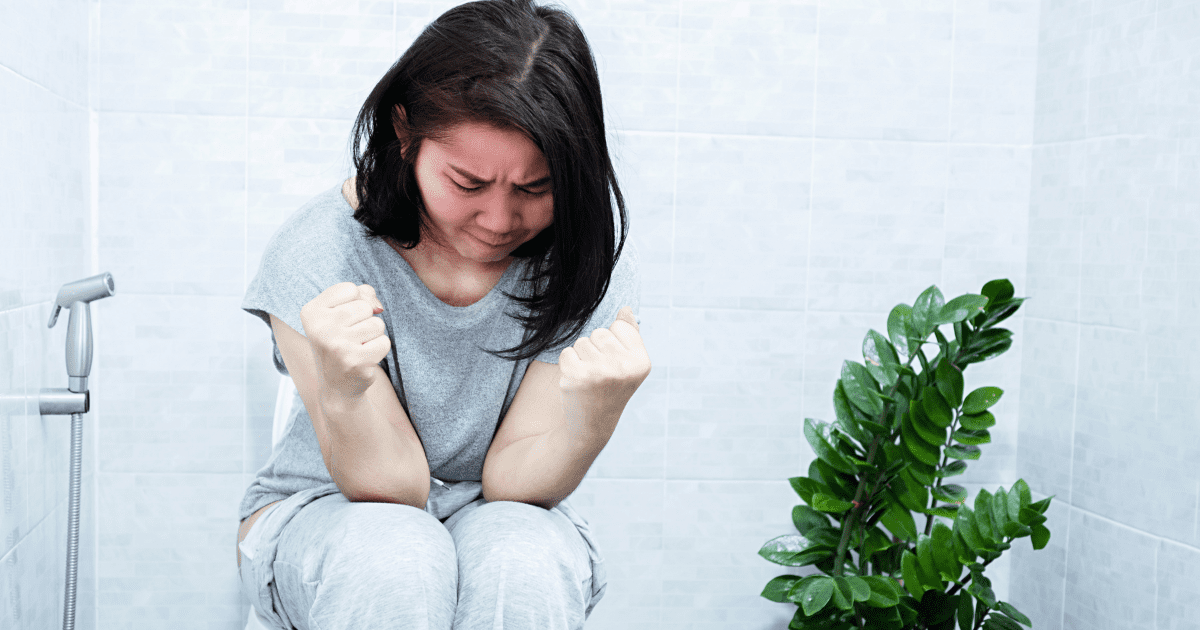
Introduction to constipation: understanding the basics
Constipation is a common digestive problem. It significantly affects one’s quality of life and indicates a problem with the health of the digestive system.
Constipation is a word describing any kind of difficulties with stooling. Hard stool is one of the frequent complaints, but similarly often patients are complaining of infrequent stooling or other difficulties when trying to empty their bowels on the toilet ending up needing to spend a lot of time in the bathroom.
Stool refers to the waste matter discharged from the bowels after food has been digested. Stool forms in the large bowels or colon. Every day around 1-2 litres of bowel content arrives to the large bowel from the small intestines. In the mouth, stomach and the small intestines the food we eat gets mechanically broken down, mixed with digestive juices and chemically broken down to molecules which can pass the wall of the small intestines and enter the blood circulation to be utilised by our body. All useful elements will be absorbed and anything which cannot be digested or cannot be absorbed will pass on to the large bowel or colon. In the colon the water and salts will still be absorbed to be utilised by the body, while the shedding dead bowel cells as well as the bacteria living in the colon will add to the content made of undigestible food, eventually resulting in a neat package of waste product called stool.
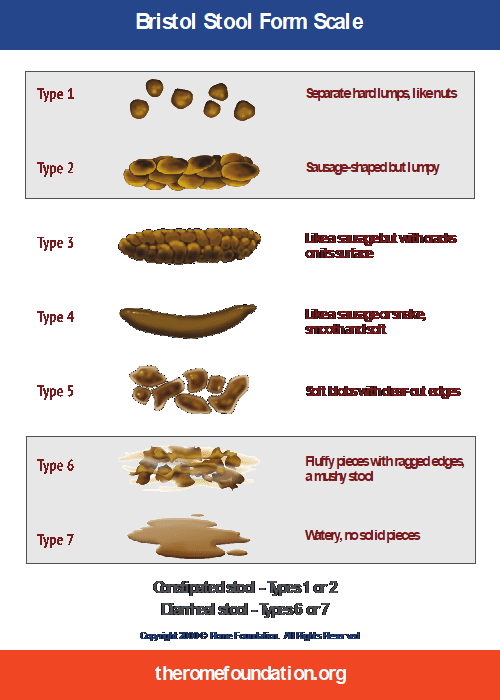
Healthy stool, as a sign of a healthy digestive system is around 150-200 grams, brown and its consistency allows it to form into a sausage shape. The Bristol stool chart describes stool consistency very well, easily understandable for patients and very informative to the doctor (see picture of Bristol stool chart). Normal stool is type 4. Type 3 and 5 are also acceptable as normal. Type 1 and 2 are abnormally hard and type 6 and 7 are abnormally loose stools.
But what causes hard stools? This problem mostly originates from dietary, lifestyle or physiological factors or the mixture of these. Insufficient fibre intake, inadequate hydration, and a lack of physical activity are the most common factors involved. These elements are crucial for maintaining the right stool consistency and ensuring smooth passage through the colon.
The inner workings: What causes hard stools?
Understanding what causes hard stool helps to address and prevent it. This condition doesn’t arise overnight but is often the result of cumulative factors related to our diet, hydration, and lifestyle choices. Let’s explore the key contributors that leads to the development of hard stools.
Dehydration
One of the most frequent causes of hard stools is dehydration, a low state of hydration of the body, caused by simply not drinking enough water! Water is a key component of the human body, making up 67% percent of it! All bodily processes happen in water. Either inside the cells, in a small pool of intracellular water. Or outside the cells in the interconnected extracellular space. Or in the blood inside the blood vessels, which is also mainly composed of water. Or inside the gut, which is actually outside place from our body’s perspective, but our digestive organs, the saliva glands, the stomach lining, the liver and the pancreas gland are pouring litres of water mixed with digestive juices into it daily to allow for digestion to happen. This pool of water in the gut allows for enough „playroom” for the food to dissolve, digestive enzymes to access it and break it down to elementary particles. Most of this water is then sucked back (reabsorbed) into the circulation along with the nutrients from our food. Ideally however some remains for the stool to be soft enough for an easy passage.
When the body is dehydrated, all these processes are underperforming.
To understand the importance of drinking sufficient amount of fluid, I always explain about daily fluid balance to my patients: In a healthy average size human body the kidneys are wishing to produce around 1500 mls of urine, to be able to put all the waste products from the blood, which are to be removed through the urine and get rid of it. With breathing and speaking we lose around 500 mls of water every day. Perspiration (sweating) accounts for some losses depending on the environment (heat, exercising, AC), which I do not even count in the equation here. And we need around 200 mls of water left for the stool. This leaves us more than 2200 mls of water to take in just to be in zero balance! If we drink less then 2200 mls our body starts sparing on the water, which we notice from the urine getting yellower or even orange colour, and the stool getting harder, climbing upwards on the Bristol stool chart.
Diet
Drinking enough is part of a healthy diet. Many patients complain of disliking water and not being able to drink litres. The good news is, that it does not need to be all water, what you drink. It can be any kind of liquid, like juices, soups, herbal teas and decaffeinated coffee, all counts fully into your water intake. Why do I write herbal tea and decaffeinated coffee? Because black tea and normal coffee are both diuretics, they make you pee more and so lose more water with the urine, sparing less for your body and bowels. So, if you do consume black tea and non-decaffeinated (i.e. normal) coffee in any forms (latte, capuccino etc also have the same amount of caffeine per serving, than espresso or americano, so it will have the same diuretic effect) then you need to drink even more liquids, to compensate for that loss. Getting back to how can we drink enough if we don’t like water: the other good news is that most fruits and vegetables have a very high water-content. If you eat a cucumber, it contains 94% water, so you think you are eating, but you are actually drinking!
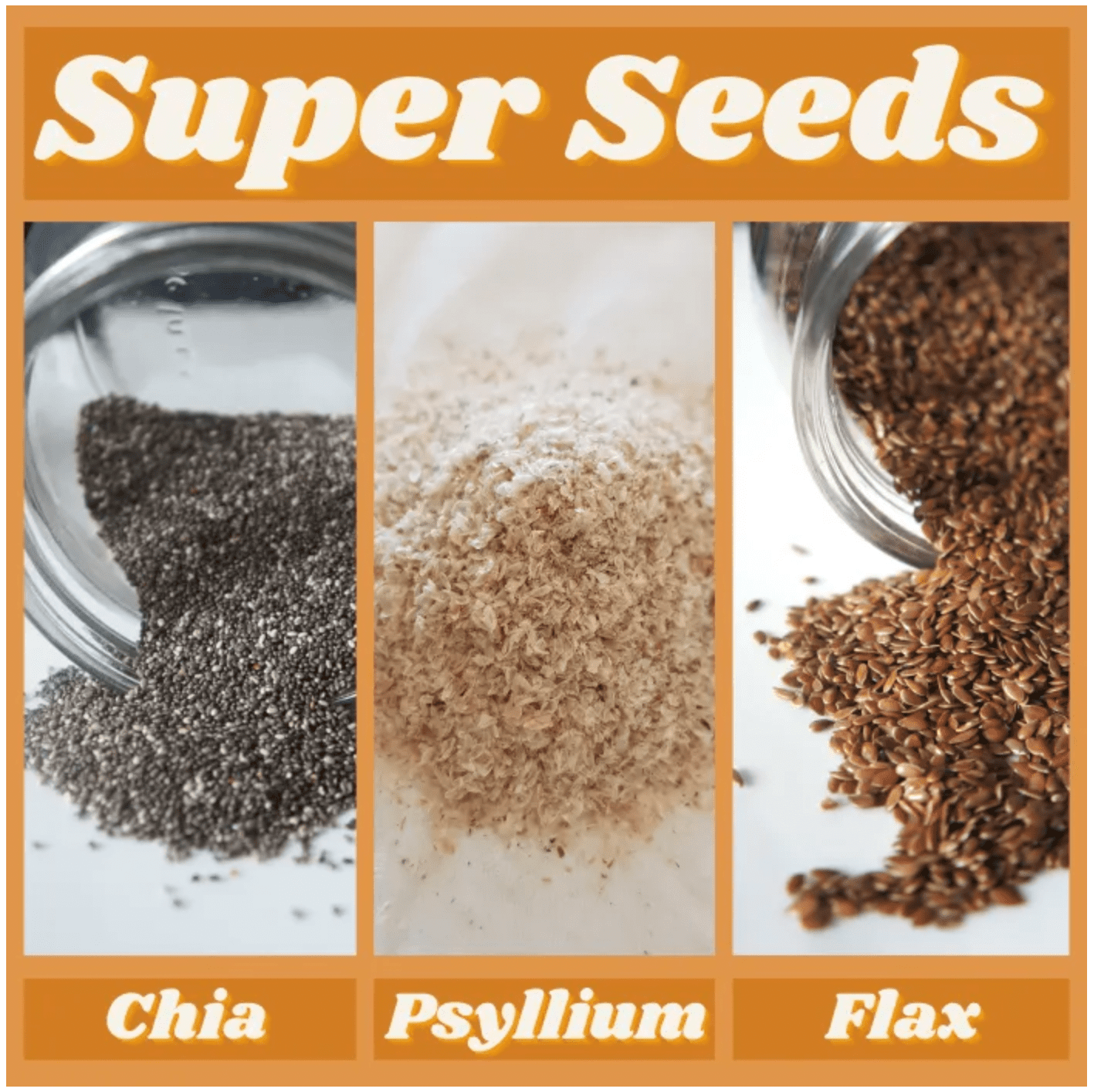
From our diet the other most important factor is fibre intake. Dietary fibres are carbohydrates, but the type of carbs, which our body cannot break down. So, fibres stay undigested in our gut. Why are they important then? They provide an amazing surface for our gut bacteria to stick to and multiply. Some of them are even feeding on it. And fibres provide a great bulk inside the colon, so the muscles of the colon wall do not need to work so hard to try and propel the stool forward. Dietary fibres are found in fruits, vegetables, whole grains, and legumes. There are amazing and even more amazing fibres in terms of achieving healthy stools. Rough fibres, like the ones in pineapples, oranges, cabbage make big bulk but less surface for the good bacteria, for some sensitive patients with irritable bowels these can cause unpleasant feeling off fullness or even crampy pain. Finer, so-called water-soluble fibres have a higher surface area, they provide more surface for food and bacteria to attach, making healthier gut flora and a more even absorption of sugars and fats. These fine fibres are found in many fruits, chia seeds, ispaghula husk etc. Fibres do not work without water however! Too much fibre with not sufficient water can even cause temporarily constipation. Properly hydrated fibres are the key to healthy diet.
Walking, exercising
Sedentary lifestyle can make the issue worse. Physical activity stimulates bowel movements by increasing blood flow and promoting contraction of the intestinal muscles. A lack of exercise can slow down the digestive process, leading to harder stools. Additionally, ignoring the urge to go to the bathroom, stress, and changes in our daily routine can negatively impact bowel movements.
In summary, what causes hard stool often boils down to a combination of dehydration, poor dietary habits, and insufficient physical activity. By understanding these key factors, patients can take proactive steps to modify their diet and lifestyle, thereby reducing the risk of hard stools and promoting a healthier digestive system.
Dietary decisions: Eating your way to softer stools
The path to alleviating hard stools often begins with what’s on your plate. Dietary choices play a pivotal role in managing and preventing this uncomfortable condition. Understanding what causes hard stool underscores the importance of dietary adjustments aimed at enhancing stool consistency and promoting regular bowel movements.
Fiber intake
A cornerstone of digestive health, fiber is essential for softening stools and facilitating their passage through the colon. Soluble fiber, found in oats, apples, and flaxseeds, absorbs water and forms a gel-like substance that softens stools. Insoluble fiber, present in whole grains, nuts, and vegetables, adds bulk and helps move food through the digestive system more quickly. Aiming for a daily intake of 25 to 30 grams of fiber from various sources can significantly improve stool consistency.
Hydration
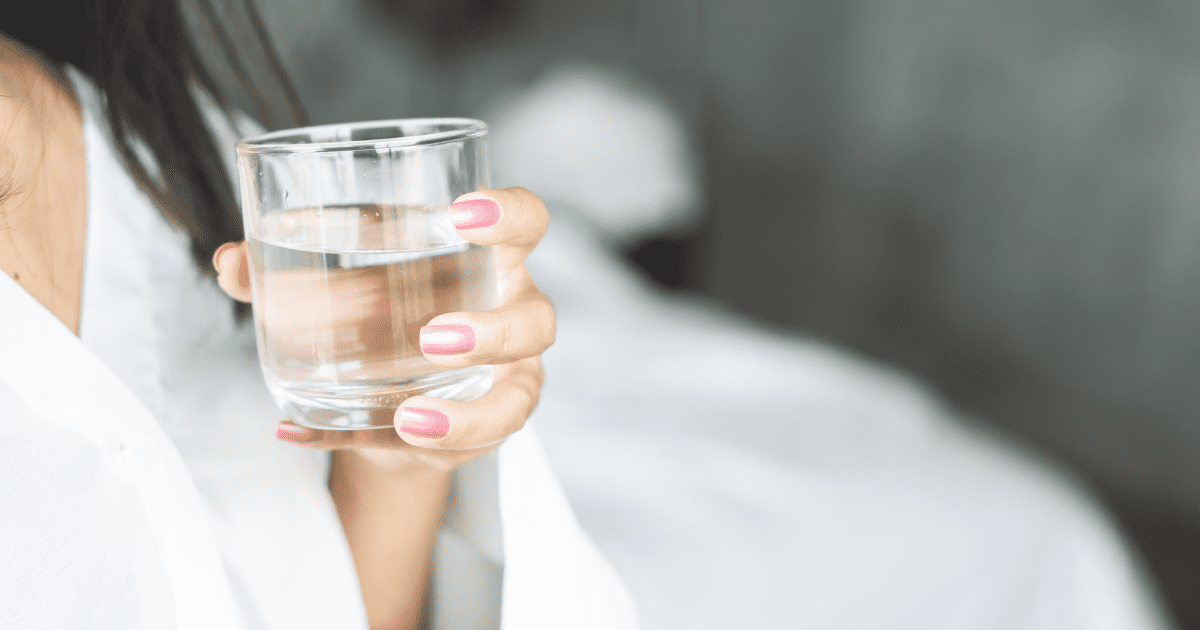
Equally important is maintaining adequate hydration. Water works synergistically with fibre, allowing it to expand and further soften the stool. Drinking at least 8 glasses of water a day, or more if you’re active or live in a hot climate, is crucial. Incorporating hydrating foods like cucumbers, tomatoes, and watermelons into your diet can also contribute to your daily fluid intake.
Probiotics
Incorporating probiotic-rich foods like yogurt, kefir, and fermented vegetables such as Sauerkraut (sour cabbage) or kimchi can also support digestive health by enhancing gut flora. Taking probiotic supplements is another way to ensure the right balance of microbes in the gut. A balanced microbiome aids in digestion and helps prevent the formation of hard stools.
Mindful eating habits
Beyond what you eat, how you eat matters too. Eating regular, balanced meals encourages consistent bowel movements. Rushed meals or irregular eating patterns can disrupt digestive processes and contribute to hard stools. Mindful eating means eating slowly, chewing well and not allowing distraction, like TV or mobile phone to disturb the first step of the digestive process by any stress. Eating this way not only prevents hard stools but counts a lot in weight management too.
Lifestyle adjustments for better digestive health
While diet plays a crucial role in preventing hard stools, lifestyle choices are equally important in promoting a healthy digestive system. Understanding that what causes hard stool extends beyond just what we eat, incorporating certain lifestyle adjustments can significantly enhance our digestive health and mitigate issues related to hard stools.
Exercise
Regular physical activity is a key component in maintaining smooth digestive functioning. Exercise helps stimulate intestinal activity, which in turn aids in the faster movement of stools through the colon. Moderate activities, such as walking, yoga, or cycling have a profound impact on improving bowel regularity and preventing constipation.
Routine
Establishing a consistent daily routine can also play a significant role in preventing hard stools. The body thrives on regularity, and this includes the digestive system. Setting regular times for eating meals and going to the bathroom can help train your digestive system to have consistent bowel movements, reducing the likelihood of hard stools.
Stress management
Stress can have a negative impact on all aspects of health, including digestion. When we’re stressed, the body’s fight or flight response is activated, which puts digestion out of focus and lead to hard stools. Techniques such as meditation, deep breathing exercises, and mindfulness can help manage stress levels, promoting better digestive health.
Adequate sleep
Quality sleep is essential for the body’s overall health and for the digestive system to function correctly. During sleep the vegetative nerve system is mostly in parasympathetic tone, which supports digestion and restoration. Lack of sleep is a type of stress, pushing our body to the sympathetic i.e. fight or flight mode for longer hour of the day then desired. The entire digestive system is suppressed during stress, blood supply to the bowels reduces, sphincter muscles close, propulsive motion halts. Ensuring you get enough restorative sleep each night supports the body’s natural digestive processes.
Mindful bathroom habits
Listening to your body’s natural signals to use the bathroom and taking the time to do so without rushing can prevent the stool from becoming too hard. Ignoring the urge to go can cause the stool to stay in the rectum longer, leading to harder stools.
Incorporating these lifestyle changes can have a significant impact on preventing hard stools and improving digestive health overall. By focusing on regular exercise, establishing a consistent routine, managing stress, ensuring adequate sleep, and adopting healthy bathroom habits, you can support your body’s digestive system and reduce the risk of constipation.
When it is not about the hard stools – obstructed defecation type of constipation
Hard stools are difficult to pass and sometimes even unsuccessful. When the stool consistency is however not hard and stooling happens daily, but the toileting is still difficult and takes a long time, we talk about obstructed defecation type of constipation.
Patients with this problem are complaining of not being able to pass the stool, although they feel the urge, they feel the stool is there and once they do pass it, they find it to be normal or soft. Often, they can only pass part of the stool gathered in the rectal reservoir and at the end of toileting they feel stool is still there. This phenomenon we call incomplete evacuation in medical terms. Not rarely these patients have unsuccessful trials to evacuation, which means they go to toilet, because they feel the stool is there, but they do not succeed in passing any. This might happen once a month or it might happen every day.
This type of constipation cannot be fixed with improving your diet. Most of the time there is a mechanical problem behind, which needs further investigations to be revealed and physiotherapy or surgery or the combination of the two, to be solved.
When you’re stuck in the situation: “My poop is too big to come out and hurts”
Encountering a situation where it feels like “my poop is too big to come out and hurts” can be distressing and uncomfortable. If you find yourself stuck in such a predicament, knowing how to make poop come out when stuck is crucial for relief and preventing further discomfort. Here are practical tips and gentle remedies to help alleviate the blockage and encourage a smoother bowel movement.
- Drinking a glass of warm water can stimulate bowel movements. The warmth helps relax the intestines and can make it easier for the stool to pass. For added effectiveness, try adding a teaspoon of honey or lemon juice to the warm water.
- Light exercises such as walking or stretching can help get your bowels moving. Movement increases blood flow to the digestive system and can help stimulate the muscles involved in bowel movements.
- Sometimes, the position in which you sit on the toilet can impact your ability to pass stool. Using a small stool to elevate your feet and mimic a squatting position can align the rectum in a more natural angle, making it easier to pass stool.
- Deep, slow breathing, into your lower abdomen, can not only help relax the body but also relax the pelvic floor muscles, and among them the anal muscles, making it easier to pass the stool. Focus on taking deep breaths in and out to help relax your muscles.
- If natural methods are not effective, over-the-counter stool softeners or laxatives can be used as a temporary solution. It’s important to use these products as directed and not to rely on them for long-term relief.
If you frequently find yourself thinking, “how to make poop come out when stuck,” these strategies can offer relief. However, it’s important to address the underlying causes of hard stools to prevent reoccurrence. Should the problem persist, or if you experience significant pain, bleeding, or other concerning symptoms, consulting your doctor is recommended.
Medical treatment – over-the-counter medications and when to use them
When dietary and lifestyle changes are not enough to alleviate hard stools or when you’re in a situation mentioned above, where you think “how to make poop come out when stuck,” over the counter laxative supplements/medications can provide relief. It is important to understand the different types of laxatives available to choose the right one for the right problem.
Stool softeners
Stool softeners, such as docusate sodium, work by reducing surface tension (detergent) hence increasing the amount of water the stool absorbs inside the gut, making it softer and easier to pass. Stool softeners are gentle and suitable for short-term use. They do sound innocent, but long term and excessive use can lead to electrolyte imbalances and dependence!
Bulk-forming laxatives
Bulk-forming laxatives, like psyllium, methylcellulose, and polycarbophil, work by absorbing water in the intestine to form a soft, bulky stool that’s easier to pass. They come closest to a healthy dietary change to fix constipation. They are safe to take even for long-term. However, they require adequate hydration to be effective.
Osmotic laxatives
Osmotic laxatives, including polyethylene glycol and lactulose, draw water into the bowel to soften the stool and stimulate bowel movement. They are also safe and effective, and they would even work if water intake were not sufficient, kind of forcefully hydrating the stool on the expense of the body. This explain why they should not be used long term unless adequate hydration is ensured.
Stimulant laxatives
Stimulant laxatives, such as senna and bisacodyl, act on the mucosal lining of the colon and its nerve plexus by stimulating secretion of higher volume of mucus, water and electrolytes as well as increasing intestinal motility resulting in a faster passage of stool along the gut. They are effective for immediate relief but should be used sparingly, as frequent use leads to dependency and decrease bowel function over time.
Laxative medications are effective for relieving hard stools and constipation, but they should be used responsibly. Always consider them as a temporary solution while working on underlying dietary and lifestyle changes for long-term digestive health.
Disease which originates from constipation
Constipation being a health problem by itself, can also lead to further problems and diseases if not sorted out in time.
Hard stools can break up the anal lining, causing acute anal fissures, if circumstances align extra stress and/or a sensitive, thin and dry skin chronic anal fissure can develop, which sometimes can only be sorted with surgery.
Chronic straining at stools can lead to prolapsing hemorrhoids in a few years, rectal lining prolapse and even prolapse of the rectum itself if goes on for many years and is coupled with loose connective tissue and/or sudden weight loss.
All these diseases can be prevented with a healthy diet rich in fibers and water, regular low impact exercise and a mindful toileting habit.
Long-term strategies for preventing constipation
Preventing constipation requires a comprehensive understanding of its causes and a commitment to adopting healthier dietary and lifestyle habits.
A diet incorporating a variety of fruits, vegetables, whole grains, and legumes can significantly improve stool consistency. Fibre works by absorbing water, which softens the stool and makes it easier to pass. Equally important is staying well hydrated. Water is essential for fibre to function effectively and for keeping the digestive system running smoothly.
Regular physical activity stimulates the digestive system and enhances bowel movements, preventing constipation and hard stools. Establishing a routine, including fixed times for eating and using the bathroom, can also help regulate bowel movements.
Managing stress through mindfulness, exercise, or hobbies can positively affect digestive health. Stress can disrupt digestive processes, leading to hard stools, so finding effective ways to relax and decompress is crucial.
Regular consultations with healthcare professionals can help catch and address any underlying issues that may contribute to hard stools. Early intervention can prevent complications and guide you toward the best preventative measures tailored to your health profile.
In summary, constipation is more frequently a „bad habit” then a disease or a way one is made up. With healthy lifestyle, mindful eating habits and an attention to our body it can be treated or prevented. Living with constipation is a daily struggle significantly reducing life quality. In the long term it leads to health consequences, diseases and even surgeries. Incorporating the above simple strategies to our everyday life can be a game changer, resulting in a healthier, happier life.
Bloating – why do I feel my belly is like a balloon and what can I do about it?
Introduction, Definition
Bloating is an uncomfortable feeling in the abdomen (tummy/belly). It is not pain, rather it can be described as a feeling of uncomfortable fullness or tightness in the abdomen. It is mostly due to excess gas inside the bowels.
Most of the time the sensation of bloating is accompanied by the physical sight of a protruding belly. However, with a young and healthy abdominal wall, made up of strong connective tissue and muscles, there might be minimal protrusion, and only the owner of that belly knows that the pressure feels high, her/his belly feels tight.
On the other hand, in some cases, there is no uncomfortable feeling at all, only a protruding belly. This is the case in obesity i.e., excess weight, when the bowel contains normal amount of gas and/or stool, but the abdominal cavity and the abdominal wall contains excess amount of fatty tissue.
Another case of protruding belly without bloating occurs in older women, where the abdominal wall muscles and connective tissue has stretched out by age and pregnancies and so the belly looks bigger, looks protruding in a standing position.
So, what is that extra pressure, that extra content, causing the bloating?
In short it is gas.
We all swallow air, which partly gets burped up, partly passes all the way to the other end of the gut and leaves through the anus.
A normal, healthy adult passes around 500-1000 ml of gas via the anus in a day.
Gas also gets produced in the gut, by the normal flora, our gut bacteria. This should be minimal though. The normal amount of gas inside the gut at any given time is around 150-200 milliliters, mostly made up of nitrogen, oxygen and carbon dioxide.
The excess gas resulting in bloating comes from
- – more than normal amount of ingested gas;
- – more than normal amount of produced gas inside the bowels and
- – less than normal amount of gas released via the anus.
Indeed, all of these occurs easily in everyday life.
Ad 1. We all swallow air when we eat, drink, speak or laugh. More than normal amount of air is ingested by people who eat in a rushed way, on the go, not chewing properly, not allowing a saliva-soaked bolus to form in the mouth before swallowing, but rather gobbling down bites of partly chewed food still containing air bubbles. Anxious, rushed speaking can also result in extra air swallowing.
The other reason of swallowing too much gas is consuming fizzy drinks. The gas from your coke or sparkling water will then need to be burped up, otherwise it will end up passing all the way. Some carbon dioxide gets dissolved and absorbed and then released by breathing though. Many, especially thin people do not tolerate the bloating caused by fizzy drinks and learn from their bad experiences to avoid the fizz altogether.
Ad 2. Gas gets produced by bowel bacteria by fermenting food. Under normal circumstances there should be minimal or no bacteria in the small intestines: the strong acid in the stomach kills all ingested bacteria in our food and there should be no back flow from the colon, where our gut flora resides. Therefore, in a healthy individual, the bowel gases produced by gut flora are produces in the colon. The colon however should not receive undigested food, all digestion and absorption should take place in the small intestine leaving only undigestible food parts, like dietary fibers, mixed with water and salts entering the large intestine. This would result in minimal amount of gas production. Unfortunately, the digestive system often does not work in a text-book way. There are a lot of variations from normal, which still does not reach the category of sickness. Poor digestion is a very frequent phenomenon: poorly chewed food does not allow the digestive juices to access the food properly. Eating under stress, when the body is in “fight or flight mode” (sympathetic tone) will result in insufficient digestion in many ways. The production of digestive juices gets suppressed as well as the motility of the gut gets disturbed. This disturbed motility can be a slowdown, the bowel peristalsis halts, resulting in constipation. Or its opposite happens: sudden bursts of peristalsis try to get rid of the food (considered inappropriate for digestion in a “state of stress” by the vegetative nerve system) resulting in internal diarrhea or even manifest diarrhea with passing of loose, watery stools.
All these will result in undigested food entering the large bowel, where the gut bacteria will digest it on their own way, resulting in the production of different gases such as methane and hydrogen.
There are some “bloating foods”, which would cause bloating for even the healthiest person if consumed in larger quantities. These are mostly vegetables belonging to the category of pulses like beans, lentils, dahl as well as cruciferous vegetables like cabbage, brussels sprouts, cauliflower etc. The former group has rough fibers, the latter has sulphureous compounds. At the same time these vegetables have a high nutritional value, so it is advised only to avoid them if they are tried and tested and indeed cause bloating for you. Some digestive pills contain cellulase which helps the tolerance of these veggies. Using recipes where anti-bloating spices like cumin are mixed with these vegetables also helps.
SIBO, small intestinal bacterial overgrowth is another reason for excess gas production. In SIBO there are bacteria living in the small intestines. Since digestion and absorption takes place in the small intestine, it is natural to have ample amount of undigested food there. It meant to be utilized by our body. If, however unwelcomed bacteria take residence in our small bowel, they will also “eat” this food by fermentation, which result in excess gas production. The well-fed bacteria then multiply resulting in larger volume of soft, malodorous stools. Patients with irritable bowel syndrome often have SIBO. How the bacteria get to the small intestine can be with the food through the mouth, especially in patient who are taking strong anti-acid medications regularly, therefore the stomach acid cannot sterilize the food. The other way for bacteria to enter the small bowels is from the colon (large bowel), backwards. There is a valve between the end of the small intestines and the beginning of the colon called the ileo-cecal valve (ICV). In more than half of the population it is not working properly as a valve, so it does not prevent back flow. The peristalsis in the colon is mostly towards the anus, but there are naturally occurring back waves, which are more frequent and stronger if stool is not passed regularly.
Food intolerances can be a major cause of bloating, in which case our body is producing immunoglobulins (IgG) against the protein component of different foods. This should not be mistaken with food allergy, which is also an immunoreaction against food, however with a much faster and much more dangerous symptom development and different symptomatology (rash, hives, swollen lips, breathing difficulty, anaphylaxis) mediated by different immunoglobulin antibodies (IgE). While allergic reaction can be brought on by exposure to the smallest amount of the offending food, food intolerance is dose dependent, which means the more of the offending food you eat, the worse your symptoms will be. A food intolerance test can tell exactly what foods your body produces antibodies against. If, however food intolerance test is out of the scope, it might be helpful to know that the most common foods people are intolerant to are dairy and wheat (gluten). If one is determined to eliminate offending foods these are a good start. Then careful observation of one’s own symptoms should give a feed-back if this guess was correct.
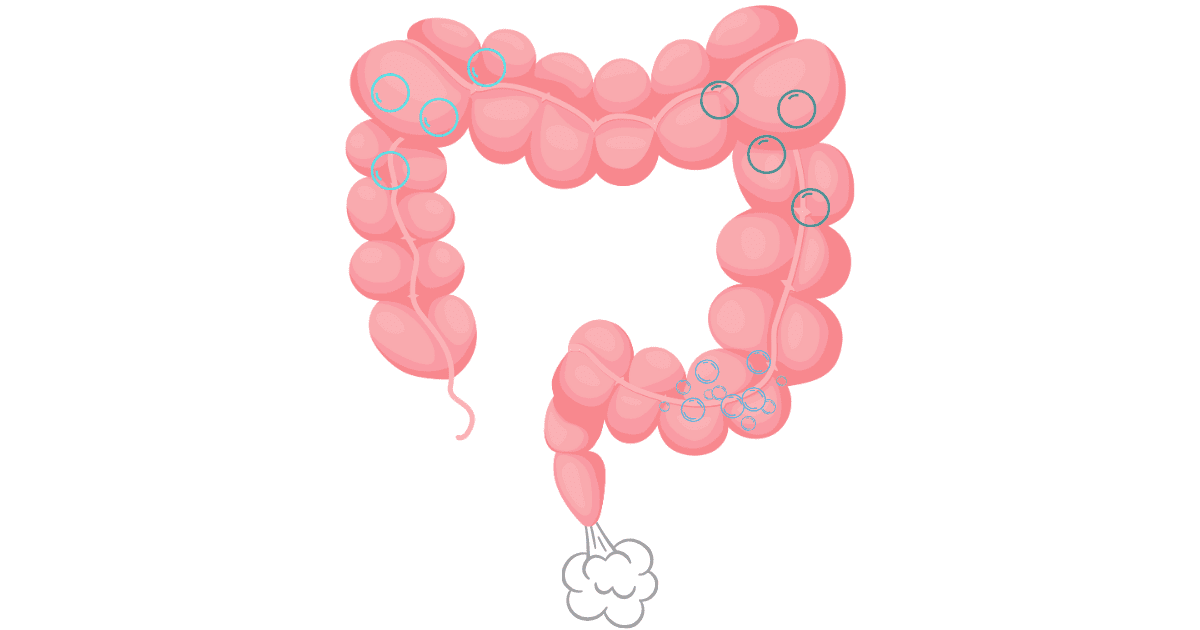
Ad 3. A healthy adult would release gas around 10-20 times a day up to a volume of 500-1000 milliliters. The release of gas is more complex than one would think. In the middle of the anal canal there is a 10-15 mm wide stripe of skin full of sensory receptors detecting not only pain, but pressure, temperature, compressibility, thus being able to discriminate between solid, liquid or gas. These sensations then guide the RAIR i.e., recto-anal inhibitory reflex to activate or not. When the RAIR activates the internal anal sphincter relaxes allowing for the sensed content to release. The internal sphincter is not under our control, it is under the control of the vegetative nerve system. Stress and pain would increase its tone to the level of anal spasm. Anal fissure, an anal disease coming with a painful wound/tear/crack on the anal lining is the most frequent reason for anal spasm. However severe anxiety can also cause anal spasm, without any visible anal disease. When the anal muscles are spastic, gas cannot be released, it would bubble back to the rectum and build up in the loop of the sigmoid colon, causing feeling of bloating and mild pain on the left side of the belly.
Other than anal fissures, sometimes hemorrhoids can also be related to bloating.
Not because hemorrhoids would be able to block the passage of gas. They cannot. They are soft, vascular cushions not being able to cause blockage. The problem with hemorrhoids regarding gas is, that with prolapsing hemorrhoids passing gas becomes rather loud. Which is obviously embarrassing. Unless the owner of those hemorrhoids is not alone, he or she would then contract the external anal sphincter, the outer muscle ring around the anal canal, which is indeed under our conscious control, and hold the gas back. The result is the same: the gas bubbles back and builds up in the colon, causing bloating and abdominal discomfort.
 What can be done to reduce/treat and to prevent bloating
Once bloating already developed, there are pharmaceutical or herbal medications to help with the problem. Some over the counter medications, taken as required can help cure or at least alleviate the symptoms. Products containing activated carbon or charcoal absorb gas. Products containing simethicone disperse the large gas bubbles to small ones which then can absorb easier or gets passed easier. There are herbal tablets/capsules and teas on the market too, containing a combination of peppermint to relax bowel muscles, and or fennel or cumin seeds to help pass the gas. Simple hydration (drinking plenty of water) also helps to push the peristalsis forward and clear the gut.
 Prevention however is always better then cure. Dedicated mealtimes with our attention focused on the food, rather than on different other distractions (mindful eating); slow eating and thorough chewing; avoiding fizzy drinks; avoiding snacking between mealtimes; consuming rather plenty of clear water between mealtimes will sort out majority of every day bloating issues.
Those who are particularly sensitive to stress, should try not to eat, or eat only small amount of easily digestible food when they are most exposed to stress.
Many people take over the counter antiacid medications, these should be reviewed by medical professional and if not necessary, should be avoided, to improve digestion. Over the counter digestive pills taken with the main meals even if only temporarily, can make a big difference: once digestion is restored, the supply of nutrients to properly produce digestive juices will be restored.
Taking probiotics can suppress the “bad bacteria” resulting in less gas forming strains.
SIBO can be tested by hydrogen breath test. Once positive, your doctor will advise either dietary changes or a course of antibiotic treatment to clear the small intestines of bacterial overgrowth.
Food intolerance test can be requested, and the findings can serve as a guide to avoid the offending foods.
If anal fissures, anal spasm or hemorrhoids are the reason for the bloating the best course of action is to visit a proctologist!
Summary and advice
In summary bloating is a frequent, unpleasant symptom, often related to poor digestion, food intolerances, changes in stool frequency and consistency such as constipation and diarrhea or anal problems resulting in holding back gas.
More often than not, bad eating habits are in the background. With the right information at hand and enough determination these bad habits can be changed, and the bloating can be cured or greatly alleviated.
 Clinics:
 Whatsapp: