- Home
- /
- Symptoms
Exploring the Causes and Solutions for Blood in Stool
When to worry about blood in stool
Discovering blood in the bathroom after using the toilet is a scary experience. Even minor streaks of blood on the toilet paper are a warning, but dripping blood in the toilet bowl during or after passing number two is a definitely alarming finding for most people. Bleeding is a symptom that should not be ignored. Blood in the stool (blood in the poop) can indicate various underlying conditions, ranging from minor issues like haemorrhoids to more severe conditions like colorectal cancer. This article aims to shed light on the common, less and more serious causes of blood in the stool and the diagnostic processes involved in finding its source. By the end of this chapter you will have a more comprehensive understanding why this symptom occurs and the necessary steps to address it.
Blood in Stool Causes: When to Worry
While some blood in stool causes are benign, there are instances where the presence of blood in the poop indicates a more severe underlying condition. Here are some causes to be aware of:
Haemorrhoids:
Haemorrhoids are swollen blood vessel cushions located in the anal canal. They can be internal or external, and their presence can be associated with itching, anal discomfort or pain. When these vascular cushions become irritated or strained, they can bleed, leading to bright red blood in the poop. This bleeding is typically noticed after a bowel movement.
Anal Fissures:
Anal fissures refer to small, painful cracks in the delicate lining of the anus. These fissures can be caused by hard or large stools passing through the anus. The pain from an anal fissure is sharp and might be accompanied by a burning sensation, especially during or after a bowel movement. The presence of anal fissures often leads to visible bleeding, typically noticed on the toilet paper.
Diverticular Disease:
Diverticular disease is a condition where small pouches, known as diverticula, form in the wall of the colon. This process is part of the aging of the colon, however it happens at younger age if the diet is unhealthy and low in dietary fibres. While these little pouches are usually harmless, their complications, bleeding or inflammation, can cause serious problems. Diverticular bleeding although rare, is a rather alarming bleeding, with large amounts of fresh red blood passed through the anus and general signs of fatigue, dizziness or even collapse. Most of the time it needs medical attention, admission to hospital and administration of infusion or blood products, but thankfully often it stops by itself and rarely needs an emergency endoscopy or surgery to save the patient. Diverticulosis – the existence of these little pouches along the bowel wall – can not be reversed, but a healthy diet high in fibre and water, and a regular bathroom routine prevents the disease from getting worse and lowers the risk of complications to happen.
Gastroenteritis:
Gastroenteritis or Entero-colitis is an inflammation of the stomach, the intestines and/or the colon, often caused by viral or bacterial infections. Symptoms can include nausea, vomiting, abdominal cramps, and diarrhoea. In some cases, the inflammation can lead to the presence of blood in the diarrhoea, indicating a more severe form of the condition. It’s essential to stay hydrated and seek medical attention if symptoms persist or are severe.
Colitis:
Colitis can be caused by infections as above, but can also be part of IBD (Inflammatory Bowel Disease), which is a partly hereditary, partly dietary, immune related disease involving inflammation of the colon and sometimes the whole or any part of the gut. Inflammatory Bowel Disease is a chronic disease necessitating lifelong medical care. At first presentation abdominal cramps, frequent loose bowel movement with mucus and often with blood are seen. If only the rectum is involved the abdominal symptoms might be missing and only the changes in the stool frequency and appearance are present with or without faecal urgency.
Polyps:
Polyps are lumpy growths that develop in the lining of the colon. Until polyps are small, they are unlikely to cause visible bleeding. If they grow larger they bleed easily. Polyps can be different types depending on what kind of cells they are made of. Adenomatous polyps are one of the frequent ones and they have the potential to turn into colorectal cancer over time. This is why polyps are better to be removed.
Currently the peak age of colorectal cancer in the general population is at the 50-70 years age group. To catch and remove polyps before they present as cancer in this age group it is suggested for everyone to have a colonoscopy when one reaches 45-50 years of age. A negative colonoscopy will protect you from colorectal cancer for around 10 years. However in case adenomatous polyps were found and removed you need to attend regular colonoscopies every 2-5 years until no more polyps are found.
It is important to know what blood in stool might mean and seek medical attention if symptoms are new or if in spite of having been tested, the symptoms change to more severe. Urgent medical attention is needed if the bleeding is severe and is accompanied by general unwellness.
Diagnostic Procedures for Blood Passed through the Bottom
Identifying the cause of blood in the stool is crucial for effective treatment. When you consult a doctor about blood in stool causes, you should expect the following diagnostic steps:
Firstly, a thorough medical history is taken to understand the severity and quality of the bleeding observed by the patient and any circumstances and underlying conditions or medications that might be contributing to the bleeding. This is followed by a physical examination, especially focusing on the tummy area and the bottom.
If the bleeding was minor and the way it presented (fresh red, only on the paper) suggests a relatively superficial cause it might be sufficient to only check the anal opening and the anal canal with an Anoscopy procedure. If examination of the anal canal does not give a satisfying answer regarding the source of bleeding, Rectoscopy (or Rigid Sigmoidoscopy) i.e. examination of the rectum and the start of the sigmoid colon can be added. Anoscopy and Rectoscopy can be done as an office procedure, during your first consultation, without any previous bowel preparation and without any need for sedation. This makes it an ideal quick and very informative diagnostic procedure for per anum/per rectum bleeding. You will get an answer to your worrisome symptom in a few minutes and can leave after first consultation with an established diagnosis and a suggested treatment for most of the minor blood on the toilet problems.
If the Anoscopy and Rectoscopy do not find the source of the bleeding, or they find polyp which needs to be removed, or inflammation, which does not end at the limit of these examinations the doctor needs to look further.
Colonoscopy is a procedure that allows viewing the inner lining of the rectum and the whole colon and also, if necessary, the end of the small intestines (terminal ileum). Colonoscopy is a more complex procedure, it needs preparation (bowel preparation with laxatives) to clearly see the lining and needs sedation for you to tolerate the discomfort it comes with navigating a long thin flexible rubber tube along your colon. Colonoscopy is a diagnostic test but also allows for some treatment: polyps can be removed, bleeding can be stopped.
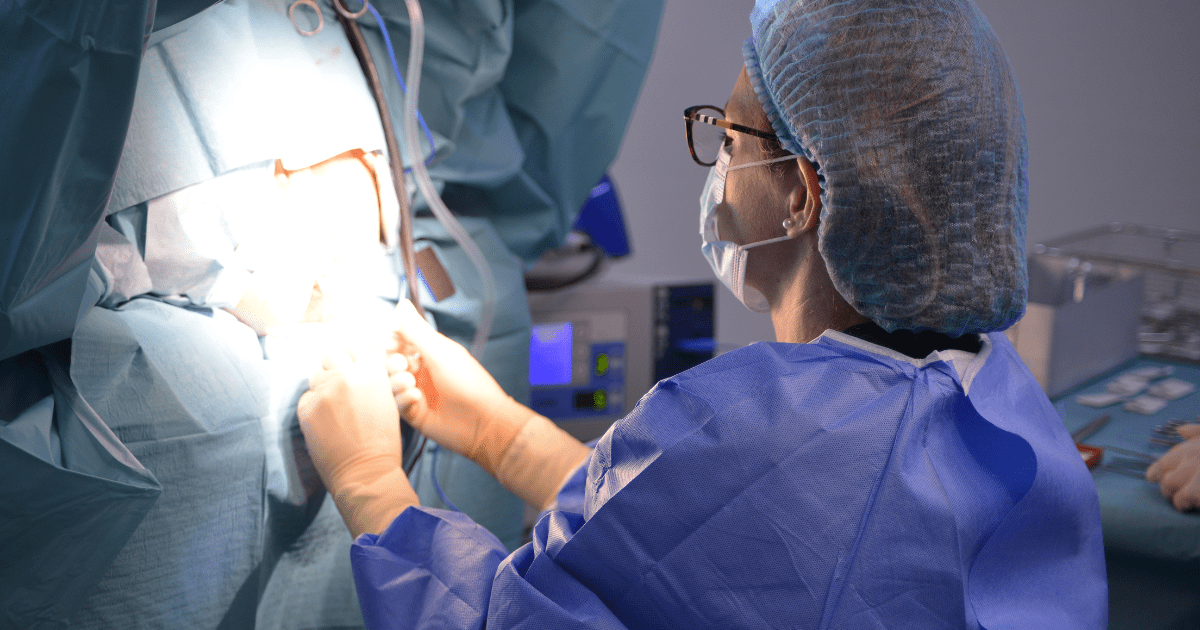
Other diagnostic tools might also be used if the endoscopic diagnostic tests suggest disease processes beyond the walls of the bowels or if they fail to identify the background of a significant and persistent symptom of bleeding. These imaging tests are computer tomography (CT) scan and magnetic resonance imaging (MRI). These scans are inferior to colonoscopy in diagnosing diseases of the colonic lining (mucosal lining), they are however able to “see” beyond the wall inside the abdominal cavity.
The Importance of Early Detection
Early detection of any medical condition, especially when it comes to symptoms like blood in poop, can be a game-changer. Recognizing the signs early allows less aggressive and more effective treatments and better overall outcomes.
When conditions like colorectal cancer are detected in their initial stages, the chances of successful treatment are significantly higher. Early interventions can prevent the progression of the disease, reducing the risk of complications and improving quality of life.
In essence, being proactive about your health, understanding the signs, and seeking medical advice promptly can make all the difference in the journey towards recovery.
Lifestyle Changes to Prevent Bloody Stools
Prevention is often the best cure. Making certain lifestyle adjustments can significantly reduce the risk of conditions leading to bloody stools. Here are some recommendations:
- Dietary Adjustments: Incorporate more fibre into your diet. Foods like whole grains, fruits, and vegetables can promote healthy bowel movements and reduce the risk of conditions like hemorrhoids and fissures.
- Stay Hydrated: Drinking adequate water daily ensures soft stools, reducing strain during bowel movements.
- Regular Exercise: Physical activity can improve digestion and reduce the risk of constipation.
- Avoid Straining: When using the restroom, avoid straining as it can lead to haemorrhoids and fissures.
- Limit Alcohol and Caffeine: Excessive consumption of alcohol causes irritation and inflammation in the upper part of the digestive system and is linked to more frequent occurrences of many digestive cancers. Excessive consumption of coffee can irritate the stomach and the caffeine content causes dehydration that leads to constipation.
By adopting these lifestyle changes, you can significantly reduce the chances of encountering blood in the stool and maintain a healthy digestive system.
When to Consult a Doctor
Blood passed through the anus is by no means a normal sign and should not be tolerated without getting examined. Once it has been clarified that the cause of bleeding was something minor like haemorrhoids or fissures, one still should not ignore seeing blood especially at the below scenarios
- Persistent Bleeding: after appropriate treatment of minor anal conditions the bleeding still persists or keeps coming back.
- Associated Symptoms: abdominal pain, unexplained weight loss, fatigue, or associated changes in the bowel habits warrants an early visit to a specialist.
- Dark blood in the stool: This can indicate bleeding from higher up in the digestive tract and should be addressed immediately.
- Family History: If you have a family history of inflammatory bowel disease it is important to be proactive about any symptoms, including fresh blood in stool. If you have a family history of colorectal cancer do not wait for symptoms and do not wait for the suggested average age for screening. Consult a specialist to find out, based on your family history, when is the right age for you to have the first screening colonoscopy.
Remember, early detection and intervention can lead to better outcomes. It’s always better to be safe and get any concerns addressed promptly.
Taking Action and Prioritising Health
Blood in poop, while alarming, is a symptom that many people encounter at some point in their lives. Whether it’s due to a minor issue like haemorrhoids or a more severe condition like colorectal cancer, the key is early detection and intervention.
It’s essential to prioritise one’s health, listen to the body’s signals, and not dismiss symptoms, but rather take action and visit a coloproctologist if you have noticed blood in the stool.
Bloating – why do I feel my belly is like a balloon and what can I do about it?

Introduction, Definition
Bloating is an uncomfortable feeling in the abdomen (tummy/belly). It is not pain, rather it can be described as a feeling of uncomfortable fullness or tightness in the abdomen. It is mostly due to excess gas inside the bowels.
Most of the time the sensation of bloating is accompanied by the physical sight of a protruding belly. However, with a young and healthy abdominal wall, made up of strong connective tissue and muscles, there might be minimal protrusion, and only the owner of that belly knows that the pressure feels high, her/his belly feels tight.
On the other hand, in some cases, there is no uncomfortable feeling at all, only a protruding belly. This is the case in obesity i.e., excess weight, when the bowel contains normal amount of gas and/or stool, but the abdominal cavity and the abdominal wall contains excess amount of fatty tissue.
Another case of protruding belly without bloating occurs in older women, where the abdominal wall muscles and connective tissue has stretched out by age and pregnancies and so the belly looks bigger, looks protruding in a standing position.
So, what is that extra pressure, that extra content, causing the bloating?
In short it is gas.
We all swallow air, which partly gets burped up, partly passes all the way to the other end of the gut and leaves through the anus.
A normal, healthy adult passes around 500-1000 ml of gas via the anus in a day.
Gas also gets produced in the gut, by the normal flora, our gut bacteria. This should be minimal though. The normal amount of gas inside the gut at any given time is around 150-200 milliliters, mostly made up of nitrogen, oxygen and carbon dioxide.
The excess gas resulting in bloating comes from
- – more than normal amount of ingested gas;
- – more than normal amount of produced gas inside the bowels and
- – less than normal amount of gas released via the anus.
Indeed, all of these occurs easily in everyday life.
Ad 1. We all swallow air when we eat, drink, speak or laugh. More than normal amount of air is ingested by people who eat in a rushed way, on the go, not chewing properly, not allowing a saliva-soaked bolus to form in the mouth before swallowing, but rather gobbling down bites of partly chewed food still containing air bubbles. Anxious, rushed speaking can also result in extra air swallowing.
The other reason of swallowing too much gas is consuming fizzy drinks. The gas from your coke or sparkling water will then need to be burped up, otherwise it will end up passing all the way. Some carbon dioxide gets dissolved and absorbed and then released by breathing though. Many, especially thin people do not tolerate the bloating caused by fizzy drinks and learn from their bad experiences to avoid the fizz altogether.
Ad 2. Gas gets produced by bowel bacteria by fermenting food. Under normal circumstances there should be minimal or no bacteria in the small intestines: the strong acid in the stomach kills all ingested bacteria in our food and there should be no back flow from the colon, where our gut flora resides. Therefore, in a healthy individual, the bowel gases produced by gut flora are produces in the colon. The colon however should not receive undigested food, all digestion and absorption should take place in the small intestine leaving only undigestible food parts, like dietary fibers, mixed with water and salts entering the large intestine. This would result in minimal amount of gas production. Unfortunately, the digestive system often does not work in a text-book way. There are a lot of variations from normal, which still does not reach the category of sickness. Poor digestion is a very frequent phenomenon: poorly chewed food does not allow the digestive juices to access the food properly. Eating under stress, when the body is in “fight or flight mode” (sympathetic tone) will result in insufficient digestion in many ways. The production of digestive juices gets suppressed as well as the motility of the gut gets disturbed. This disturbed motility can be a slowdown, the bowel peristalsis halts, resulting in constipation. Or its opposite happens: sudden bursts of peristalsis try to get rid of the food (considered inappropriate for digestion in a “state of stress” by the vegetative nerve system) resulting in internal diarrhea or even manifest diarrhea with passing of loose, watery stools.
All these will result in undigested food entering the large bowel, where the gut bacteria will digest it on their own way, resulting in the production of different gases such as methane and hydrogen.
There are some “bloating foods”, which would cause bloating for even the healthiest person if consumed in larger quantities. These are mostly vegetables belonging to the category of pulses like beans, lentils, dahl as well as cruciferous vegetables like cabbage, brussels sprouts, cauliflower etc. The former group has rough fibers, the latter has sulphureous compounds. At the same time these vegetables have a high nutritional value, so it is advised only to avoid them if they are tried and tested and indeed cause bloating for you. Some digestive pills contain cellulase which helps the tolerance of these veggies. Using recipes where anti-bloating spices like cumin are mixed with these vegetables also helps.
SIBO, small intestinal bacterial overgrowth is another reason for excess gas production. In SIBO there are bacteria living in the small intestines. Since digestion and absorption takes place in the small intestine, it is natural to have ample amount of undigested food there. It meant to be utilized by our body. If, however unwelcomed bacteria take residence in our small bowel, they will also “eat” this food by fermentation, which result in excess gas production. The well-fed bacteria then multiply resulting in larger volume of soft, malodorous stools. Patients with irritable bowel syndrome often have SIBO. How the bacteria get to the small intestine can be with the food through the mouth, especially in patient who are taking strong anti-acid medications regularly, therefore the stomach acid cannot sterilize the food. The other way for bacteria to enter the small bowels is from the colon (large bowel), backwards. There is a valve between the end of the small intestines and the beginning of the colon called the ileo-cecal valve (ICV). In more than half of the population it is not working properly as a valve, so it does not prevent back flow. The peristalsis in the colon is mostly towards the anus, but there are naturally occurring back waves, which are more frequent and stronger if stool is not passed regularly.
Food intolerances can be a major cause of bloating, in which case our body is producing immunoglobulins (IgG) against the protein component of different foods. This should not be mistaken with food allergy, which is also an immunoreaction against food, however with a much faster and much more dangerous symptom development and different symptomatology (rash, hives, swollen lips, breathing difficulty, anaphylaxis) mediated by different immunoglobulin antibodies (IgE). While allergic reaction can be brought on by exposure to the smallest amount of the offending food, food intolerance is dose dependent, which means the more of the offending food you eat, the worse your symptoms will be. A food intolerance test can tell exactly what foods your body produces antibodies against. If, however food intolerance test is out of the scope, it might be helpful to know that the most common foods people are intolerant to are dairy and wheat (gluten). If one is determined to eliminate offending foods these are a good start. Then careful observation of one’s own symptoms should give a feed-back if this guess was correct.
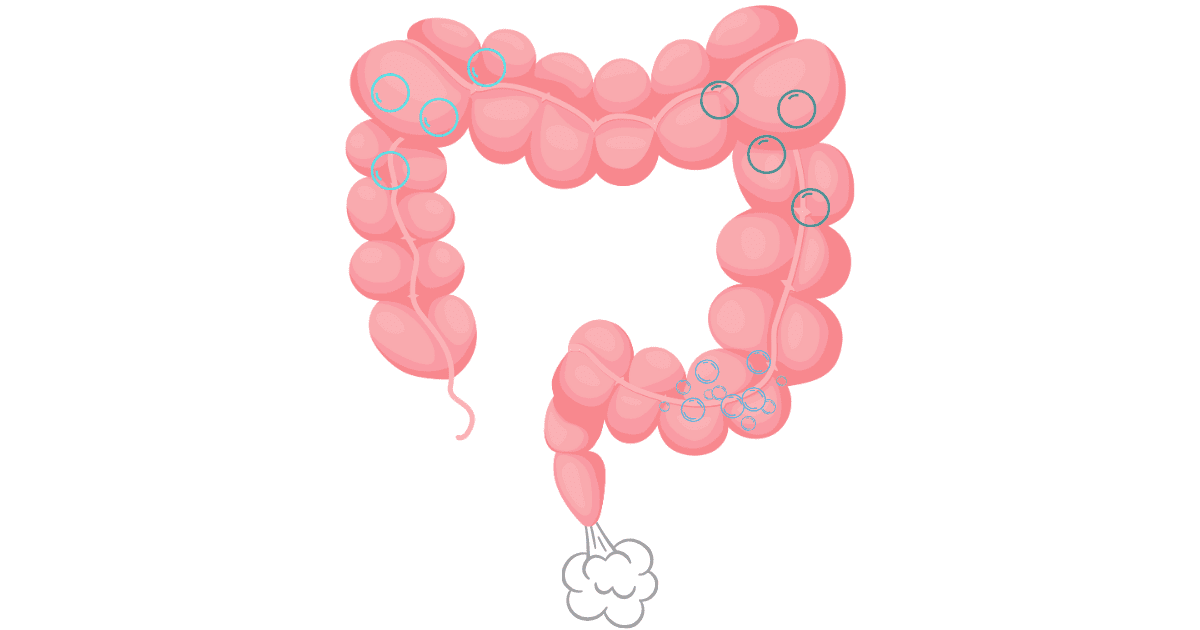
Ad 3. A healthy adult would release gas around 10-20 times a day up to a volume of 500-1000 milliliters. The release of gas is more complex than one would think. In the middle of the anal canal there is a 10-15 mm wide stripe of skin full of sensory receptors detecting not only pain, but pressure, temperature, compressibility, thus being able to discriminate between solid, liquid or gas. These sensations then guide the RAIR i.e., recto-anal inhibitory reflex to activate or not. When the RAIR activates the internal anal sphincter relaxes allowing for the sensed content to release. The internal sphincter is not under our control, it is under the control of the vegetative nerve system. Stress and pain would increase its tone to the level of anal spasm. Anal fissure, an anal disease coming with a painful wound/tear/crack on the anal lining is the most frequent reason for anal spasm. However severe anxiety can also cause anal spasm, without any visible anal disease. When the anal muscles are spastic, gas cannot be released, it would bubble back to the rectum and build up in the loop of the sigmoid colon, causing feeling of bloating and mild pain on the left side of the belly.
Other than anal fissures, sometimes hemorrhoids can also be related to bloating.
Not because hemorrhoids would be able to block the passage of gas. They cannot. They are soft, vascular cushions not being able to cause blockage. The problem with hemorrhoids regarding gas is, that with prolapsing hemorrhoids passing gas becomes rather loud. Which is obviously embarrassing. Unless the owner of those hemorrhoids is not alone, he or she would then contract the external anal sphincter, the outer muscle ring around the anal canal, which is indeed under our conscious control, and hold the gas back. The result is the same: the gas bubbles back and builds up in the colon, causing bloating and abdominal discomfort.
 What can be done to reduce/treat and to prevent bloating
Once bloating already developed, there are pharmaceutical or herbal medications to help with the problem. Some over the counter medications, taken as required can help cure or at least alleviate the symptoms. Products containing activated carbon or charcoal absorb gas. Products containing simethicone disperse the large gas bubbles to small ones which then can absorb easier or gets passed easier. There are herbal tablets/capsules and teas on the market too, containing a combination of peppermint to relax bowel muscles, and or fennel or cumin seeds to help pass the gas. Simple hydration (drinking plenty of water) also helps to push the peristalsis forward and clear the gut.
 Prevention however is always better then cure. Dedicated mealtimes with our attention focused on the food, rather than on different other distractions (mindful eating); slow eating and thorough chewing; avoiding fizzy drinks; avoiding snacking between mealtimes; consuming rather plenty of clear water between mealtimes will sort out majority of every day bloating issues.
Those who are particularly sensitive to stress, should try not to eat, or eat only small amount of easily digestible food when they are most exposed to stress.
Many people take over the counter antiacid medications, these should be reviewed by medical professional and if not necessary, should be avoided, to improve digestion. Over the counter digestive pills taken with the main meals even if only temporarily, can make a big difference: once digestion is restored, the supply of nutrients to properly produce digestive juices will be restored.
Taking probiotics can suppress the “bad bacteria” resulting in less gas forming strains.
SIBO can be tested by hydrogen breath test. Once positive, your doctor will advise either dietary changes or a course of antibiotic treatment to clear the small intestines of bacterial overgrowth.
Food intolerance test can be requested, and the findings can serve as a guide to avoid the offending foods.
If anal fissures, anal spasm or hemorrhoids are the reason for the bloating the best course of action is to visit a proctologist!
Summary and advice
In summary bloating is a frequent, unpleasant symptom, often related to poor digestion, food intolerances, changes in stool frequency and consistency such as constipation and diarrhea or anal problems resulting in holding back gas.
More often than not, bad eating habits are in the background. With the right information at hand and enough determination these bad habits can be changed, and the bloating can be cured or greatly alleviated.
 Clinics:
 Whatsapp: